Epiacum

A Fort for all Seasons – Reminder!
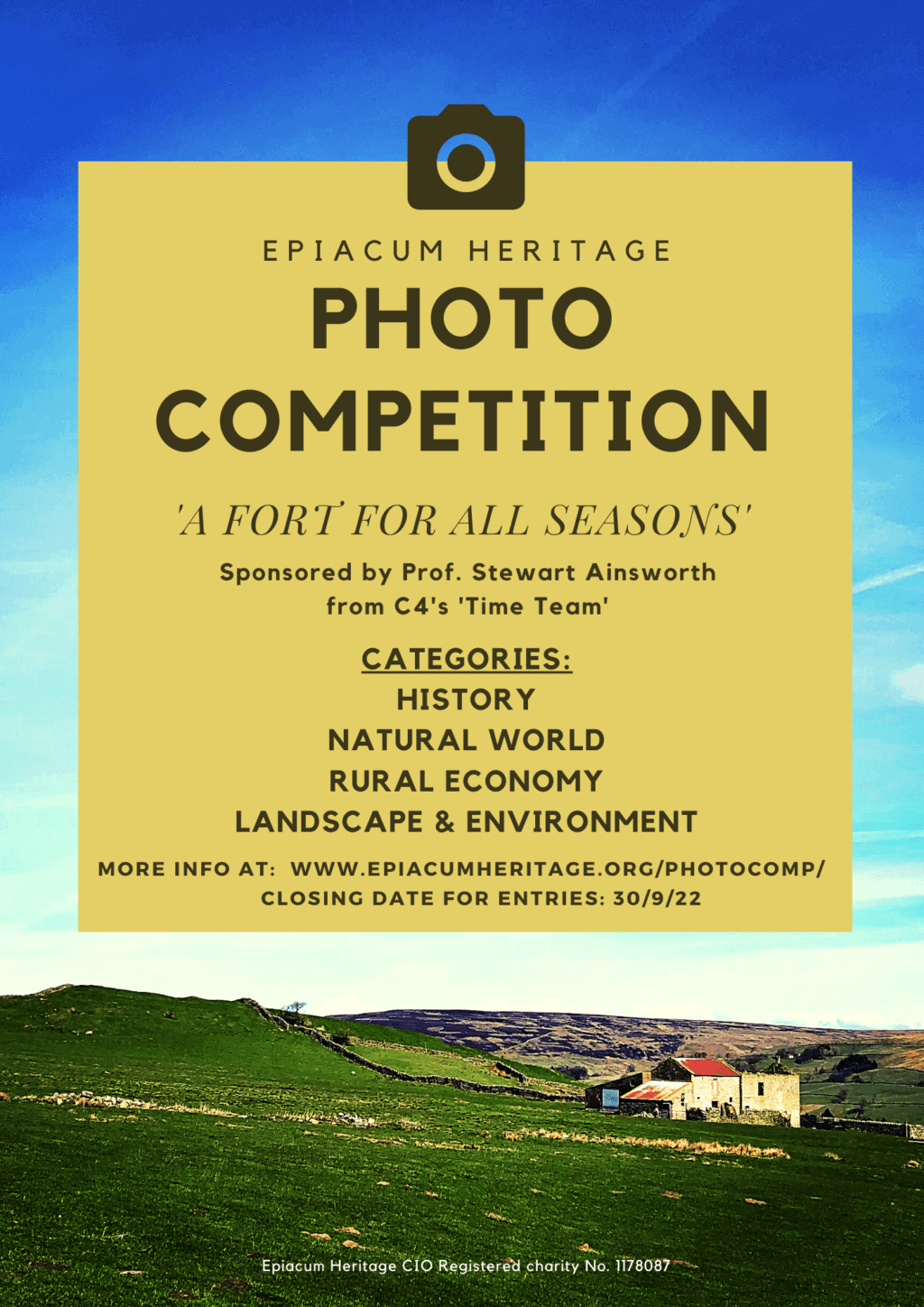
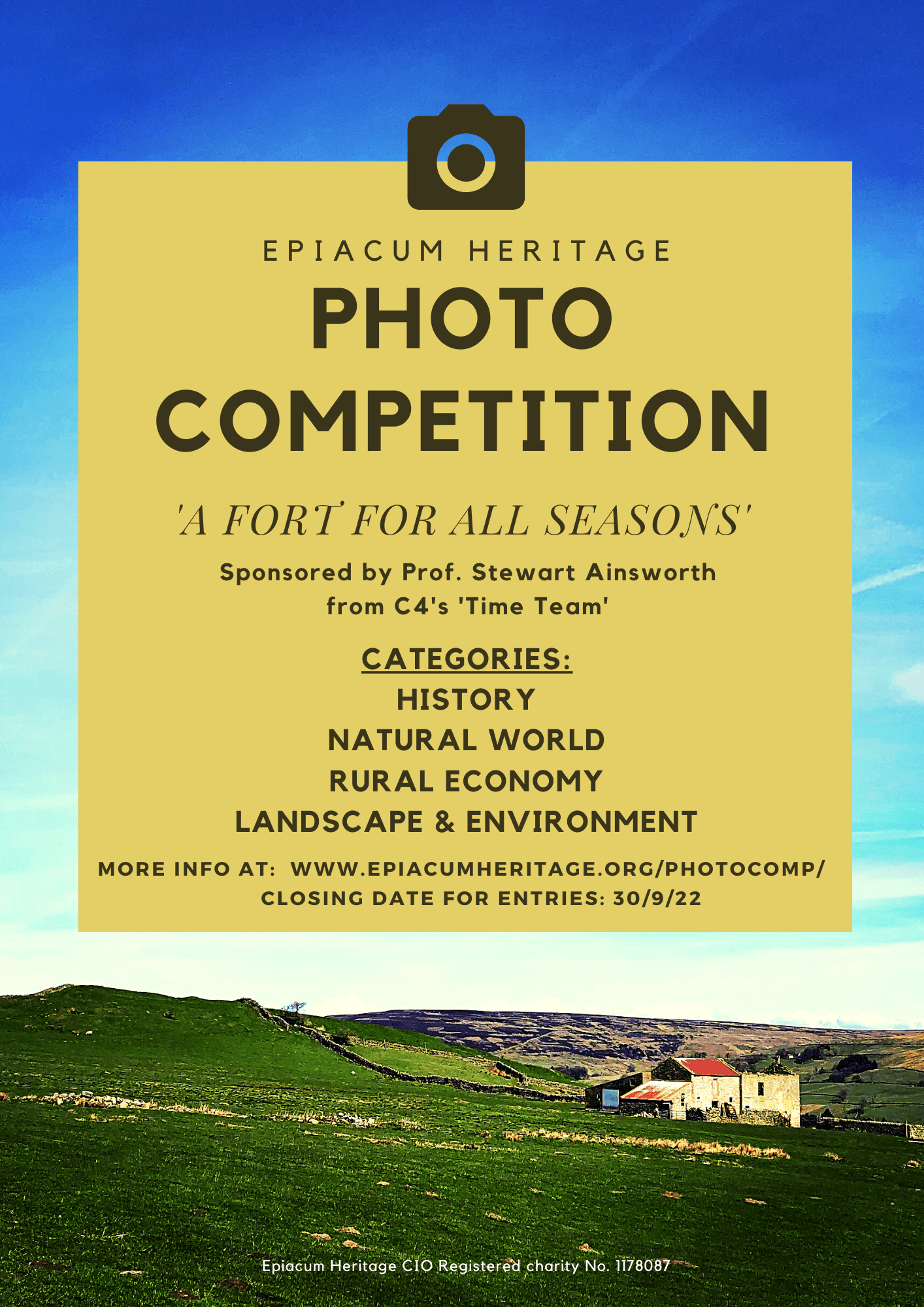
A gentle reminder our photography completion sponsored by Time Team’s Stewart Ainsworth is still open, but time is starting to run out. Entries close on the 30th September 2022.
If you’ve haven’t already entered maybe now is the time thinking about getting your entry in!
Please click here for details and conditions of entry.
Good luck everyone!
Building the new Ancient Routes Trail
Epiacum Heritage has been busy over the winter months improving access and information to share our knowledge of the site.
Working with our farm partner we look forward to completing our latest project called Ancient Routes in readiness for the 2022 visitor season. The project received funding from the Farming in Protected Landscapes programme, funded by DEFRA and managed by the North Pennines AONB Partnership. If you wish to read the press release associated with the funding, please click here.


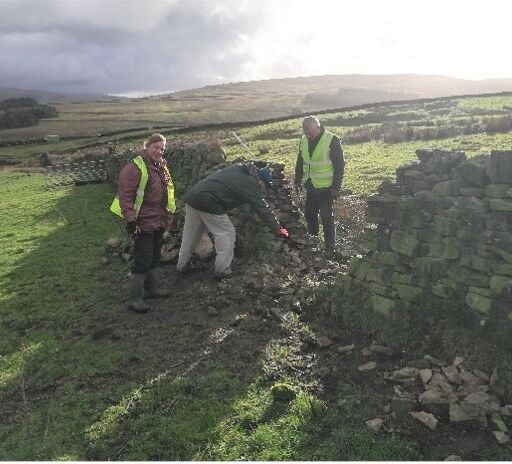
Second Nervian volunteers preparing the ground for the new kissing gates
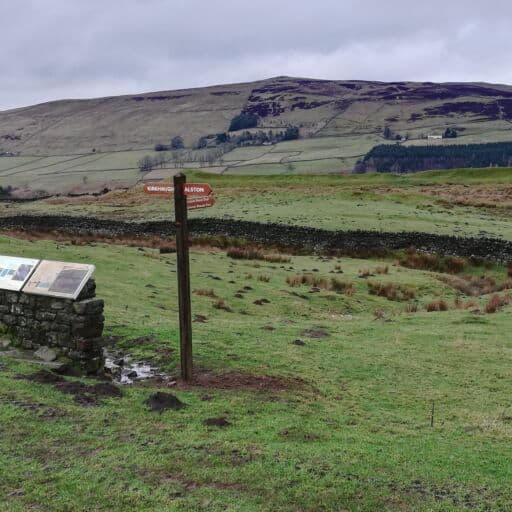
That means an exciting new trail, with added kissing gates and finger posts, starting at the South Tynedale Trail and following old tracks and pathways to take in the site of a Romano British settlement and the Roman Fort to finish at Nook Farm Shop and Café.


The infrastructure in place for the new Ancient Routes Trail
We have sensational new reconstruction images of life in Roman times and fantastic drone images of the Roman Fort which will be used to create new interpretation panels around the site and on the screen within the café.

This funding will also allow us to install automatic visitor counters to help us understand how many people visit the scheduled ancient monument.
Exciting times! We look forward to seeing you!
Farming in Protected Landscapes – Press Release
North Pennines historic site to transform visitor experience
The team behind a Roman site in the North Pennines AONB and UNESCO Global Geopark has received funds to improve how people experience and enjoy their visit.
Epiacum Heritage and Castle Nook Farm, on Alston Moor, have received a grant of £32,777 from the Defra-funded Farming in Protected Landscapes programme, managed by the North Pennines AONB Partnership. The project, called Ancient Routes, will provide a new visitor trail and enhanced interpretation, and will be in place for the 2022 visitor season.
The new permissive access route starts at the South Tynedale Trail and follows old tracks and pathways to take in the site of the Romano British settlement and the Roman Fort. Visitors will also be able to see reconstruction images of life in Roman times, and drone images of the site as part of the new interpretation.
On the trail, new kissing gates and finger posts have been installed, and a guide for the trail is in production. Volunteers have worked to remove sections of wall to allow for trail access, and they will also be building wildlife boxes. The project also includes a survey of Wellhouse Bastle, a former dwelling dating from the Border Reiver period and other historic features in the landscape. These surveys will inform what further archaeological work may need to take place to conserve these monuments for the future.
Epiacum Roman Fort is an important Roman site and has been described as the most significant archaeological monument in the region.
Steve Bentley a Trustee with Epiacum Heritage CIO said: “This is a great opportunity for us to share more about what is special here at Epiacum and to help improve the overall experience for our visitors. We’re really pleased to be launching the new trail and to share the new images and interpretation of the site.”
Chris Woodley-Stewart, Director of the North Pennines AONB Partnership, said: “Supporting this work at Epiacum and Castle Nook Farm will help the Trustees and the farmer improve public access to and understanding of local nature and heritage, improve the conservation value of the land and help to consolidate a historic feature (a bastle). We are really pleased to be able to support this work through Farming in Protected Landscapes because it is a good fit with multiple programme objectives for people, heritage and nature.”
The two-year Farming in Protected Landscapes programme is managed in the North Pennines by the North Pennines AONB Partnerships and offers grants to farmers and land managers to carry out projects that support nature recovery, mitigate the impacts of climate change, provide opportunities for people to discover, enjoy and understand the landscape and cultural heritage, or support nature-friendly, sustainable farm businesses.
More information can be found on the North Pennines AONB Partnership’s website here: https://www.northpennines.org.uk/what_we_do/farming-in-protected-landscapes/

Sponsorship of the ‘My Place in Time’ Project

Epiacum Heritage is delighted to be a sponsor for the ‘My Place in Time’ project run in collaboration with the Young Archaeologists’ Club, The Council for British Archaeology and SharedPast, led by Professor Stewart Ainsworth who should be familiar to many friends here at Epiacum through his work on the site. Stewart presents a short film about the project, which is available to view in the LINKS section below.
Young people are being helped to investigate and discover the heritage of everyday places on their own doorstep thanks to a pioneering archaeological project – which does not use trowels and trenches – but instead involves exploring places with the tools of the new digital age.
Stewart Ainsworth, Honorary Visiting Professor in Landscape Archaeology at the University of Chester who is also well known as the landscape archaeologist with Channel Four’s Time Team, explained that the project is aimed at showing young people how they can explore the history and archaeology of a local place or space without needing to dig. While it has a flexible element of outdoor investigation, the project’s budding ‘landscape detectives’ do not even have to leave the house if getting outside is not possible due to COVID-19 – or for any other reason – offering an opportunity to explore the past even during the fluctuating circumstances caused by the recent pandemic.
The project focuses on introducing non-invasive archaeology techniques, highlighting how to find out information and identify changes over time in and around a chosen place, using a range of online resources, including historic maps, aerial photography, lidar (light detection and ranging), 3D models of the landscape and archaeological records.
My Place in Time is a collaboration between SharedPast, a group of heritage specialists and volunteers led by Professor Ainsworth, the Council for British Archaeology (CBA) and the Young Archaeologists’ Club (YAC), with Dr Joanne Kirton, Youth Engagement Manager for the CBA – who gained her PhD (Doctor of Philosophy) in Archaeology at the University of Chester – also playing an integral role.
The project will be delivered initially to YAC group leaders, who will liaise with the SharedPast team to tailor training sessions and activities to meet the requirements of their own club – of which there are more than 70 throughout England, Scotland, Wales and Northern Ireland.
My Place in Time Film