Epiacum

Day 2 – The wall reveals more secrets

It’s been a good day at Epiacum as more sections of the wall are dismantled and we uncover more and more surprising detail. This will be a two part post as a lot of the wall came down today and we turned up a lot of archaeology as well. The weather was much better which made progress much easier and I don’t have a fireplace full of soaking boots tonight.

As ever the amazing camp staff were up before everyone… preparing, planning, sorting breakfast etc. etc.
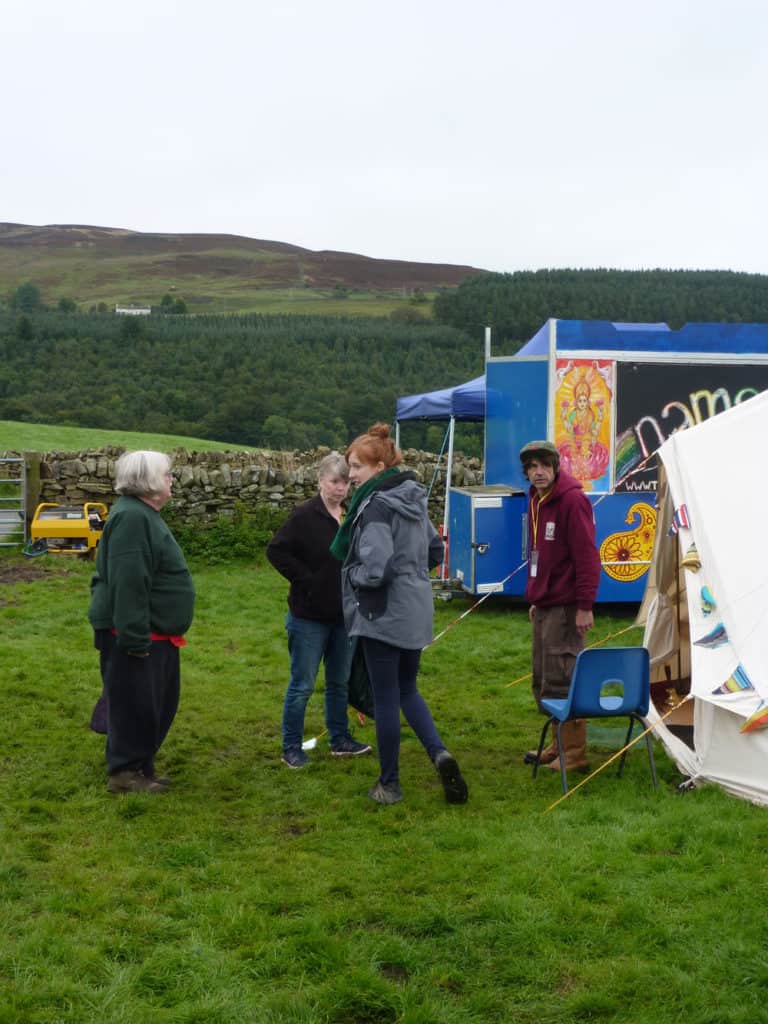
It’s a bit early and damp…

Dale and Sam the camp dog

But Sam the camp dog (my pooch) is raring to go… I think he has just spotted some sheep… whilst Dale (the mastermind behind much of the operational elements of Operation Jericho, the volunteers and much else) plans the day.

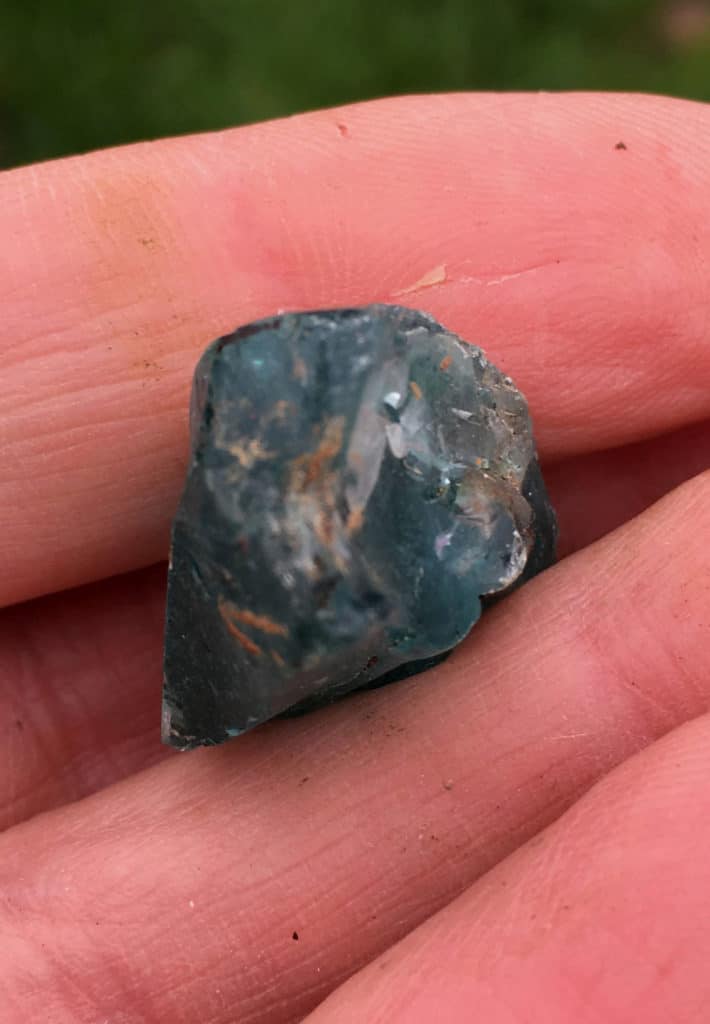
I said there was one find from yesterday I hadn’t covered…

It was this…
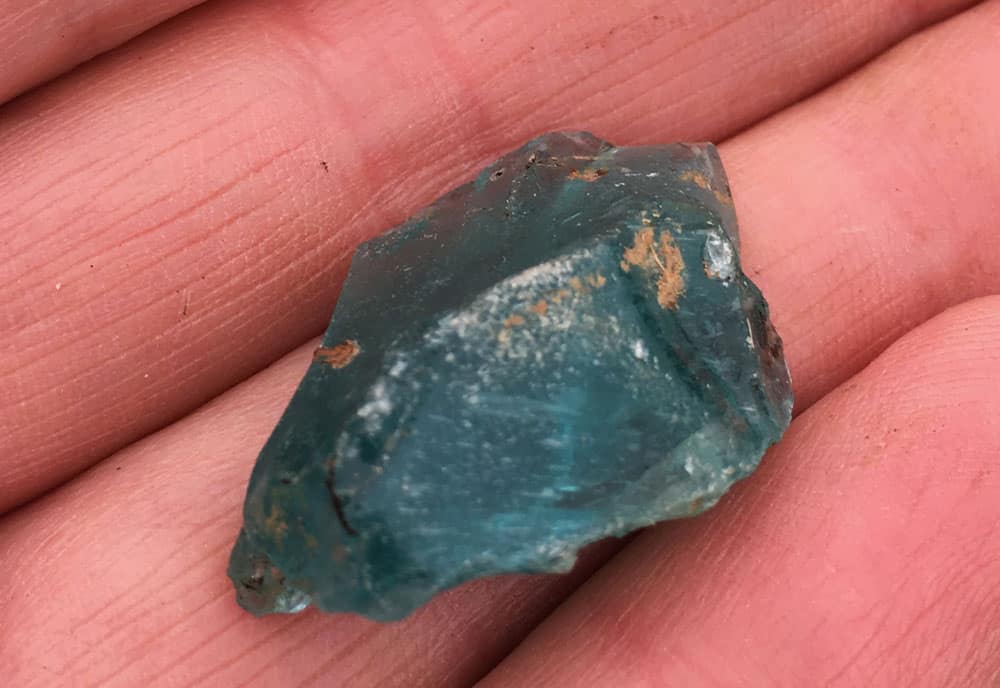
Late roman glass found in the wall! Some how this chunk of Roman Glass became part of the wall in or after 1843. Which is strange… but beautiful..


Roman glass

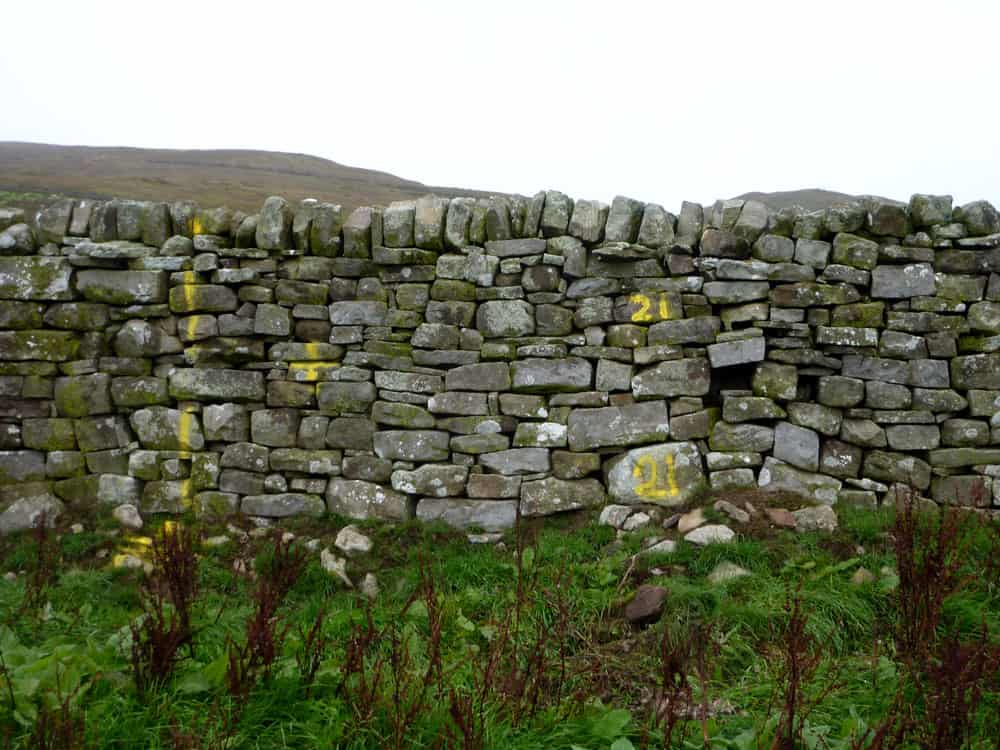
The strange thing about this is that the walls construction is not what was expected. Often the infill (the bit in the middle of a wall) is rubble scrapped up from the area around the wall. In that case the glass would make sense. But… this wall is different. The infill is all stone…

Stone infill
Stone infill

So we suspect a handful of smaller stones must have been scooped up, including this solitary piece of glass, when the wall was built by the victorians about 1,700 years after the fort and glass, was left.
 

And on to today…

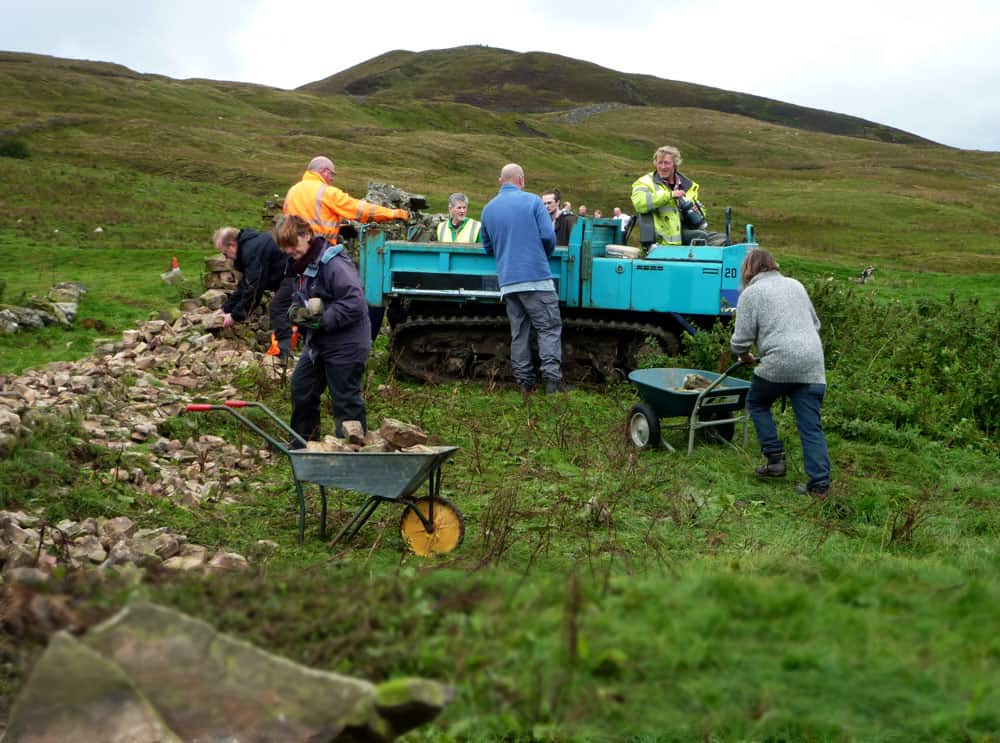
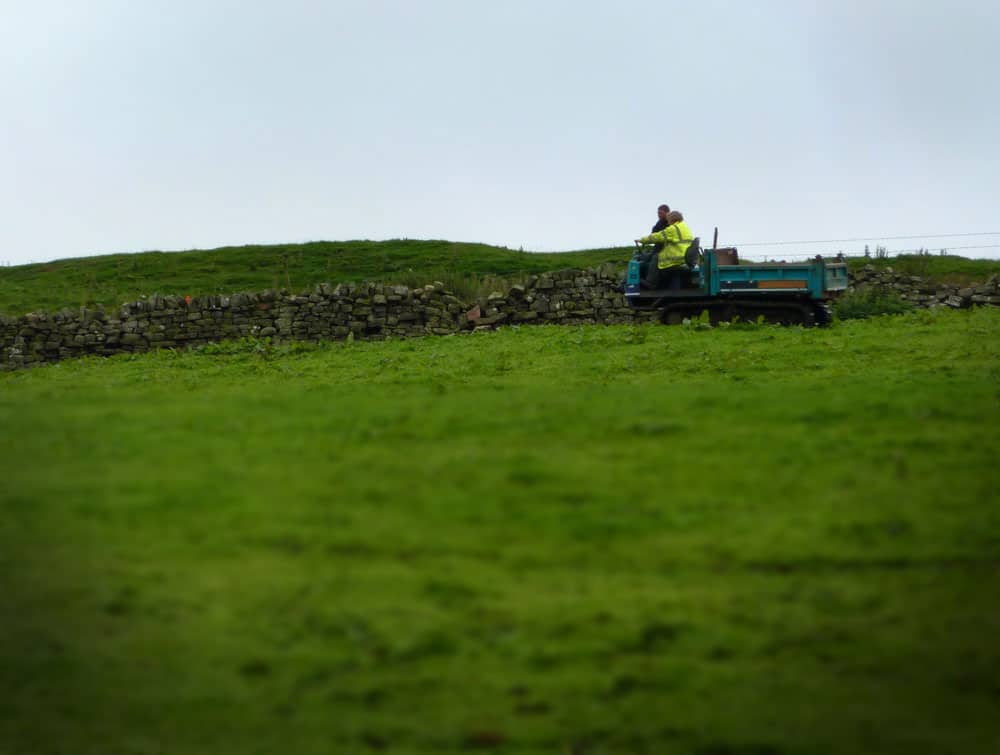
The biggest problem we faced from the start was how to remove the tons and tons of stone from the site without damaging the site. Epiacum is one of the few untouched roman forts around. It is a protected site and one of the trusts primary goals is to preserve and protect the site.

This was the answer….
Tracks

A tracked dumper truck…

The tracks spread the weight…
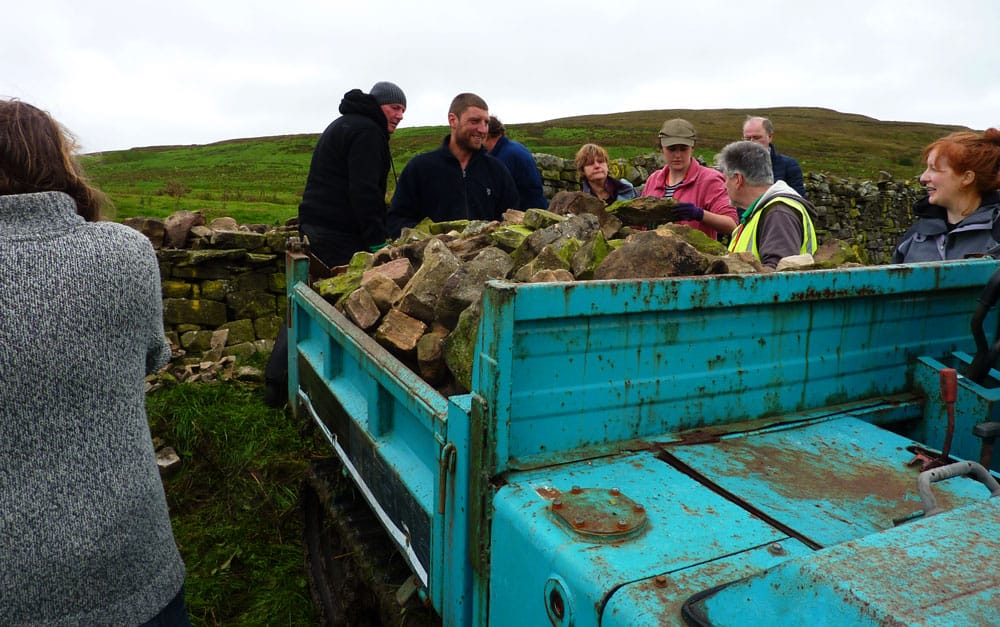
of the tons of stones so that only the surface soil is touched and there is hardly any disturbance no matter what the weight of the stone is.

More of the wall fell as we opened up two areas of the wall to dismantling.

We were helped by two ninjas… in section 1

whilst the main team worked from the corner towards them…

Nice view from the office eh? This valley is very special.

The idea is to take the wall down to ground level but leave a small raised area visible as the wall is part of the history of the fort now.


As we got to ground level.

The press turned up…
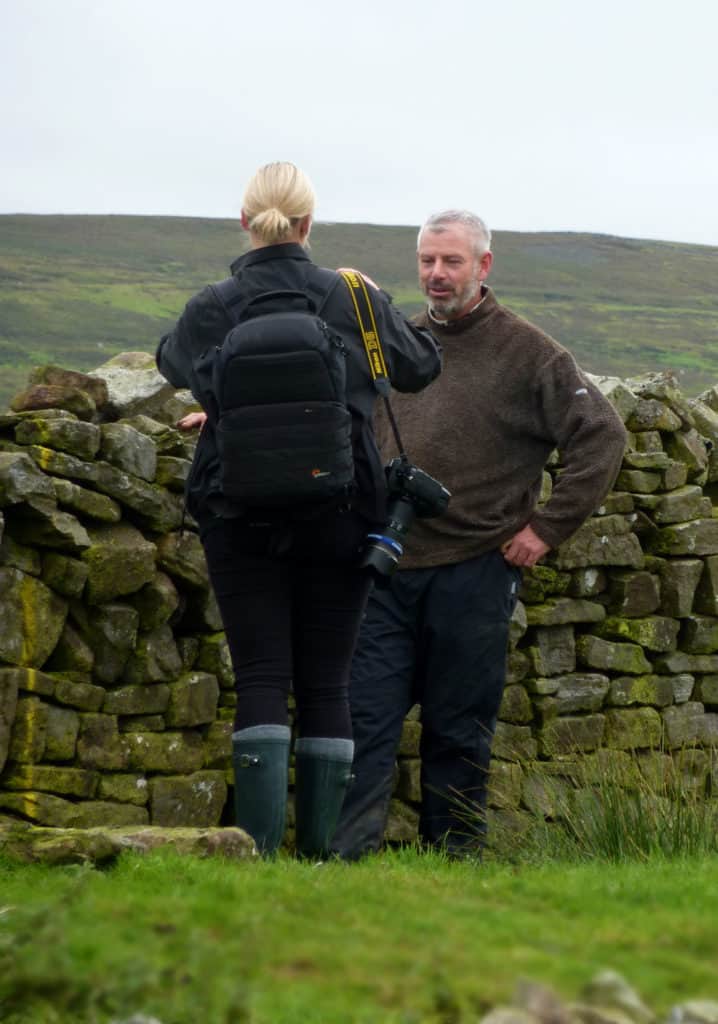
Reporter interviewing Al Oswald, one of the two primary archaeologists working on Operation Jericho.

Al is from the Archaeology Department at the University of York and brought three undergraduate archaeology students with him.

The other archaeologist, Stewart Ainsworth (of Time Team fame) is Professor of Landscape Archaeology at the University of Chester
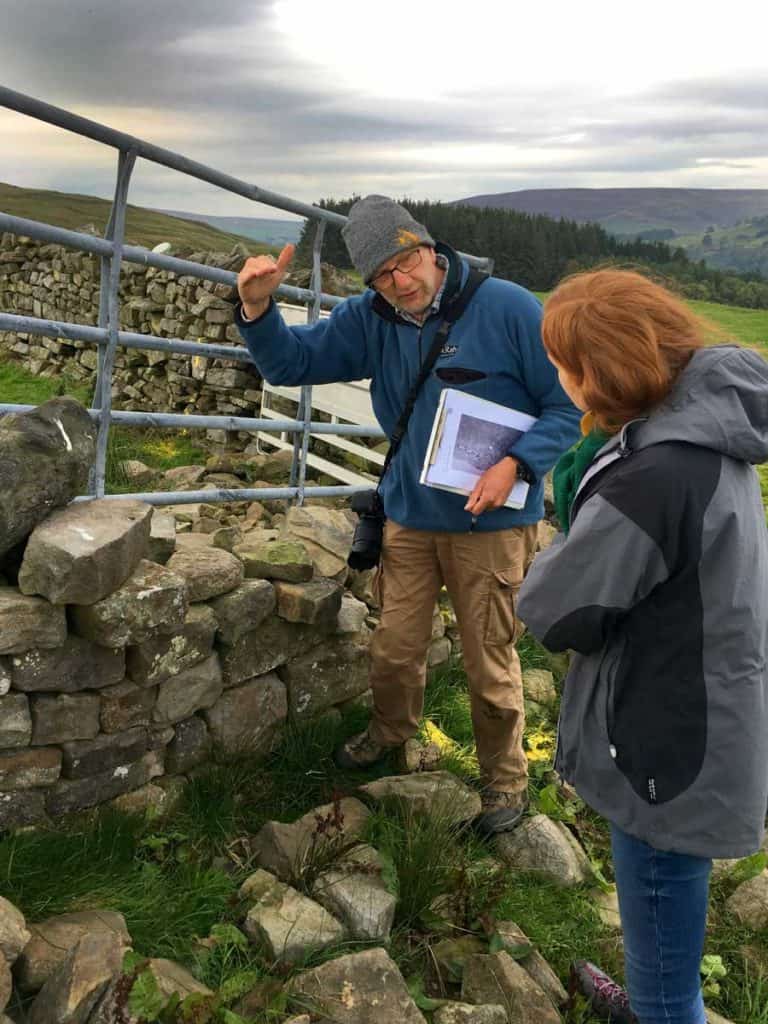
Both universities have been of immeasurable help with Operational Jericho. Without their help, expertise and generosity this whole project would not have happened.

Todays finds

In this post I will just cover a couple of finds from today. I will detail more in my next post.

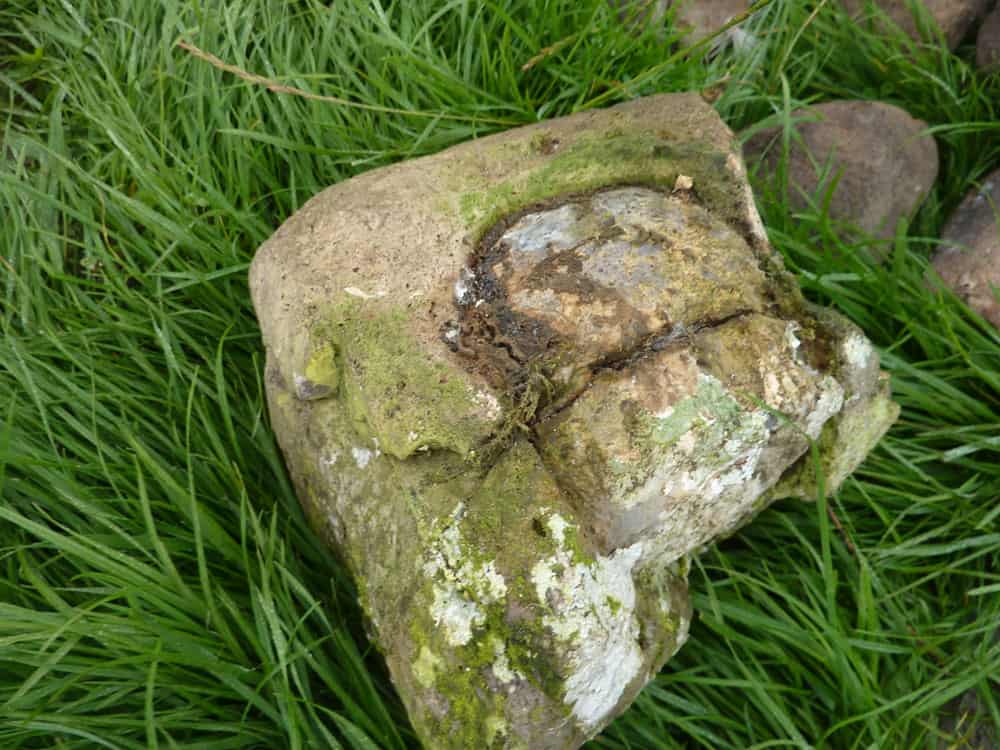
So today we found this
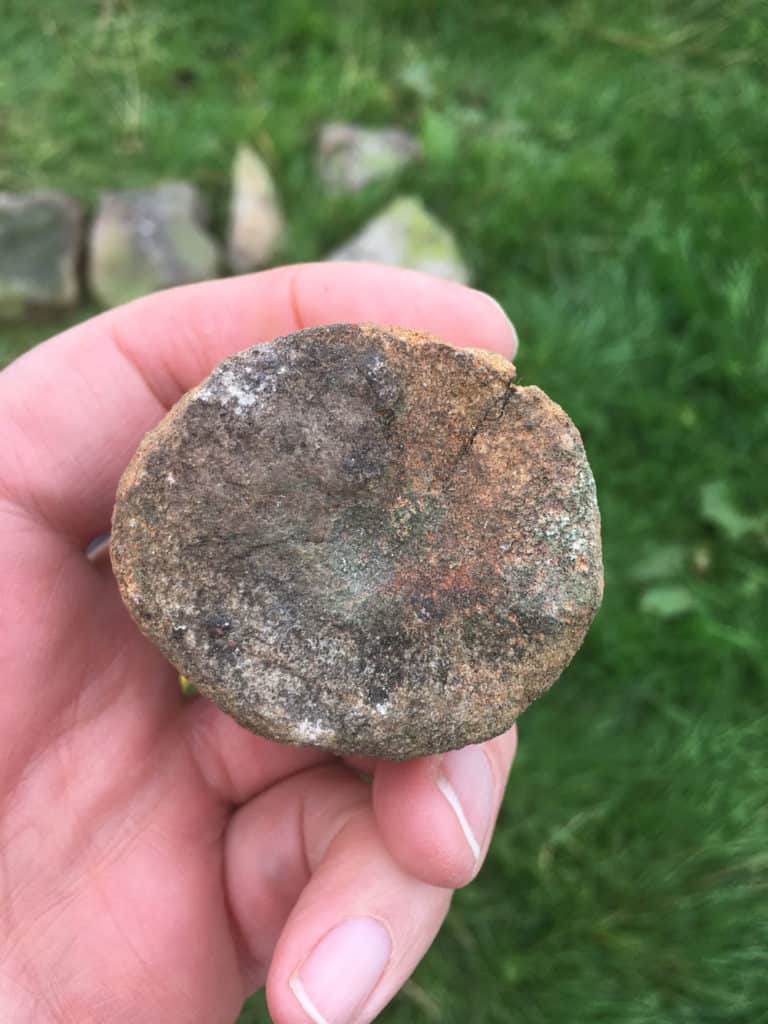
stone plug. At the moment there is a discussion about whether it is natural, part of the Roman archaeology, medieval or later…

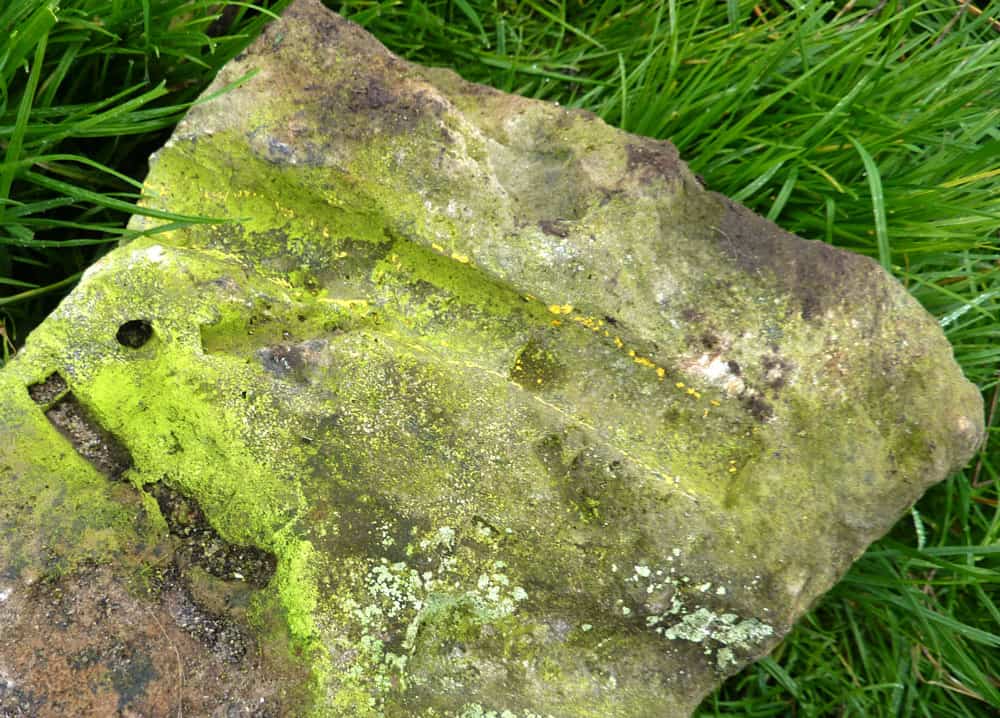
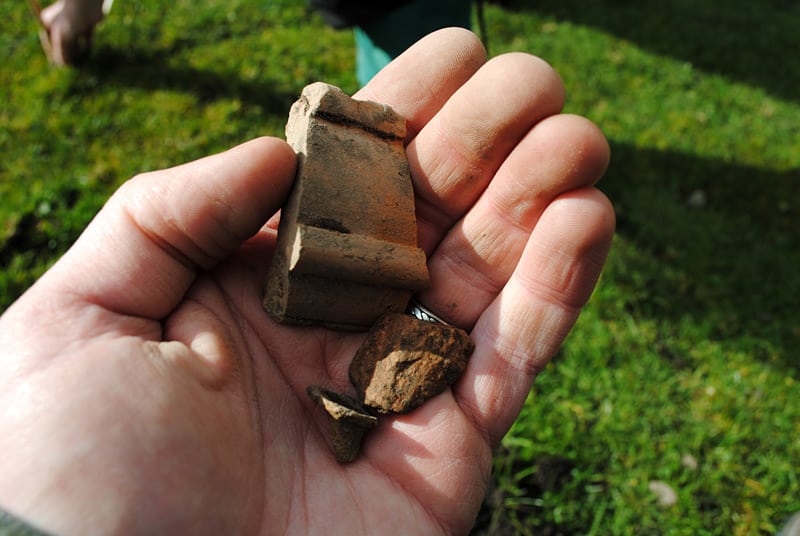
Then we turned up an interesting part of a roof tile
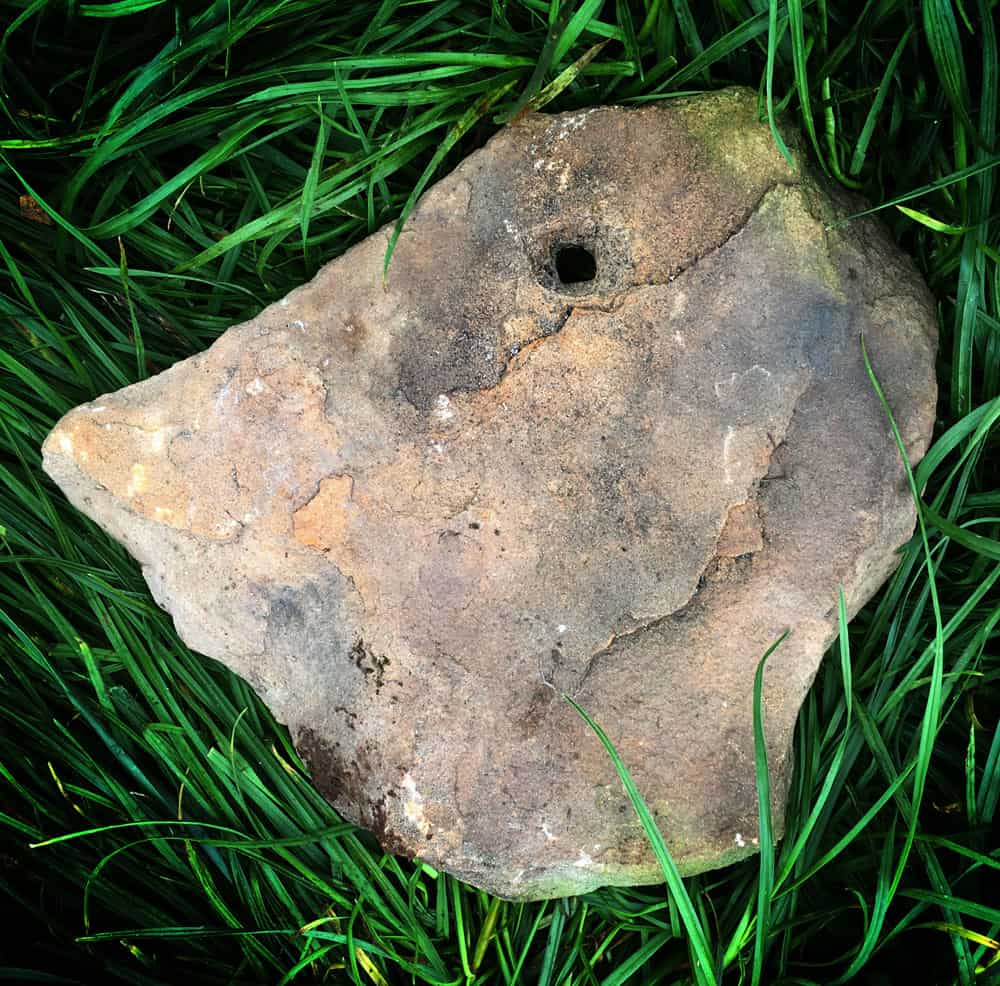
you can see the square nail hole in the tile…


This is quite likely Roman as can be seen from this example from a museum in Italy…

You can see the square Roman nail in the museum example. In our find from the wall, the hole is square.
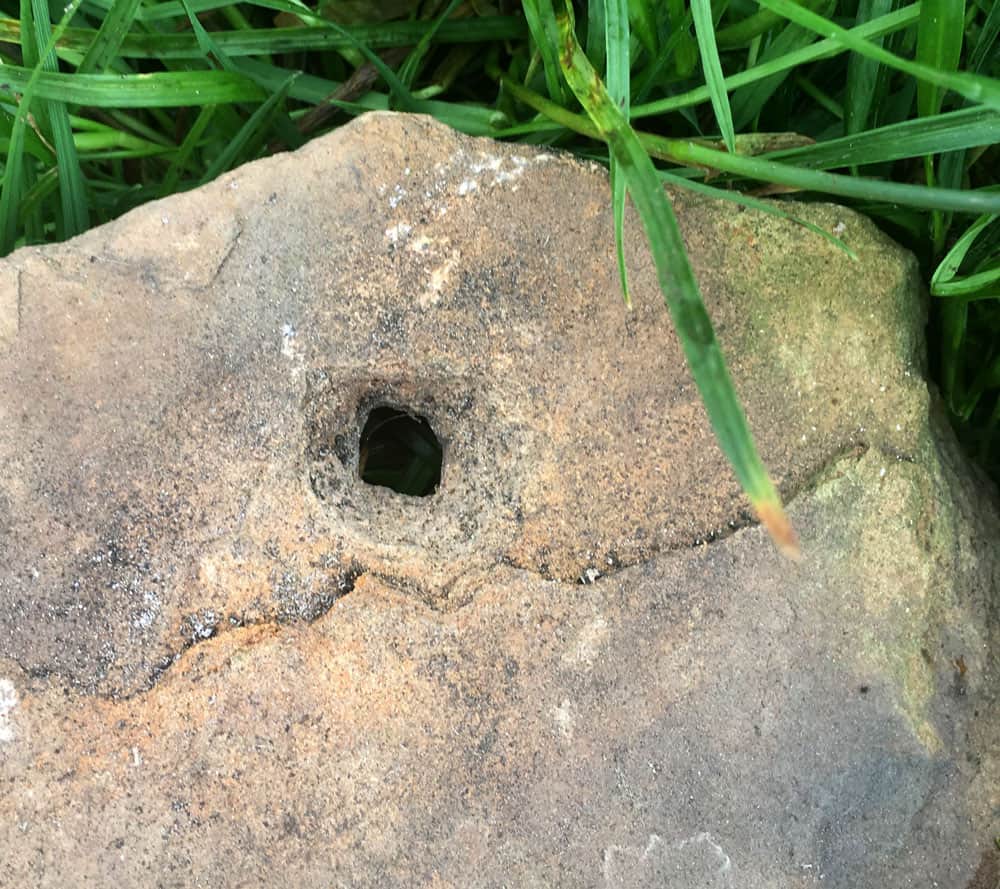
Someone, about 2,000 years ago, split a rock to make this tile and shaped this hole to fit the roman nails of the time and it would have been part of a buildings roof within the fort for a few hundred years … and then it turned up in our wall in 2018.

And finally tonight this corner of something…
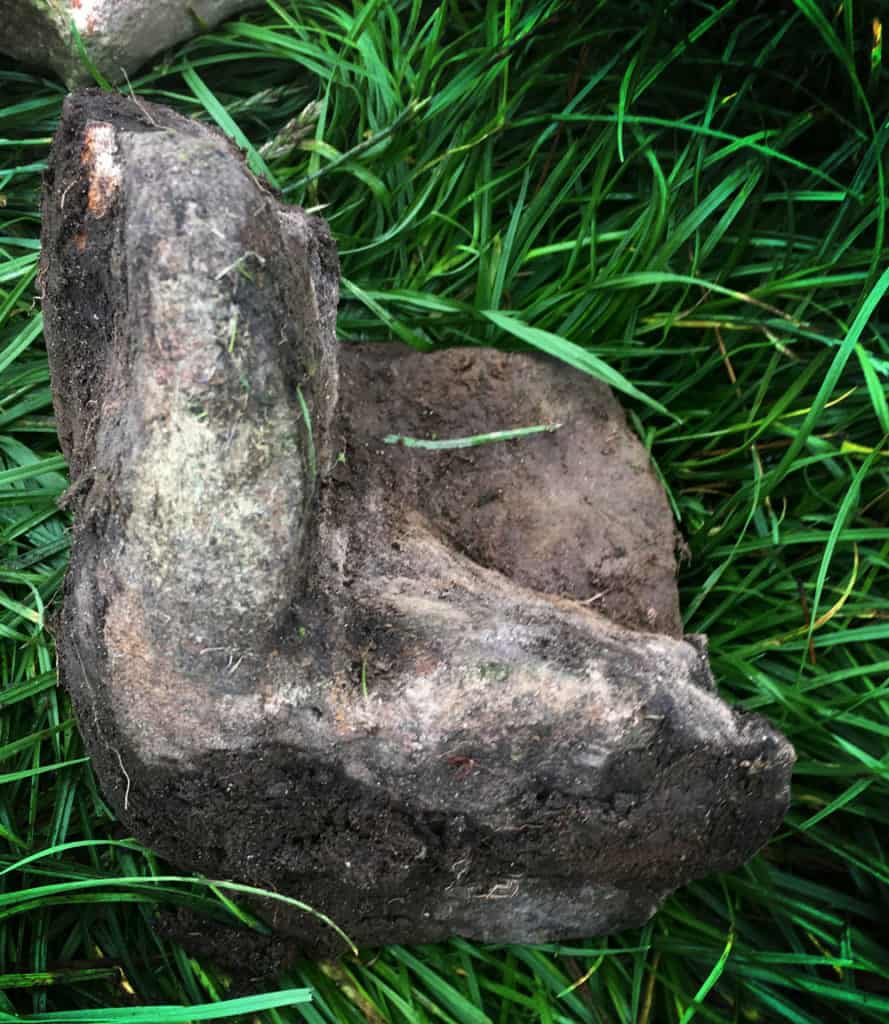
possibly a trough.

And all this hidden in one dry stone wall!

We also had some other amazing finds… more of which in my next post.

Oh and some locals visited to see what we were up to…
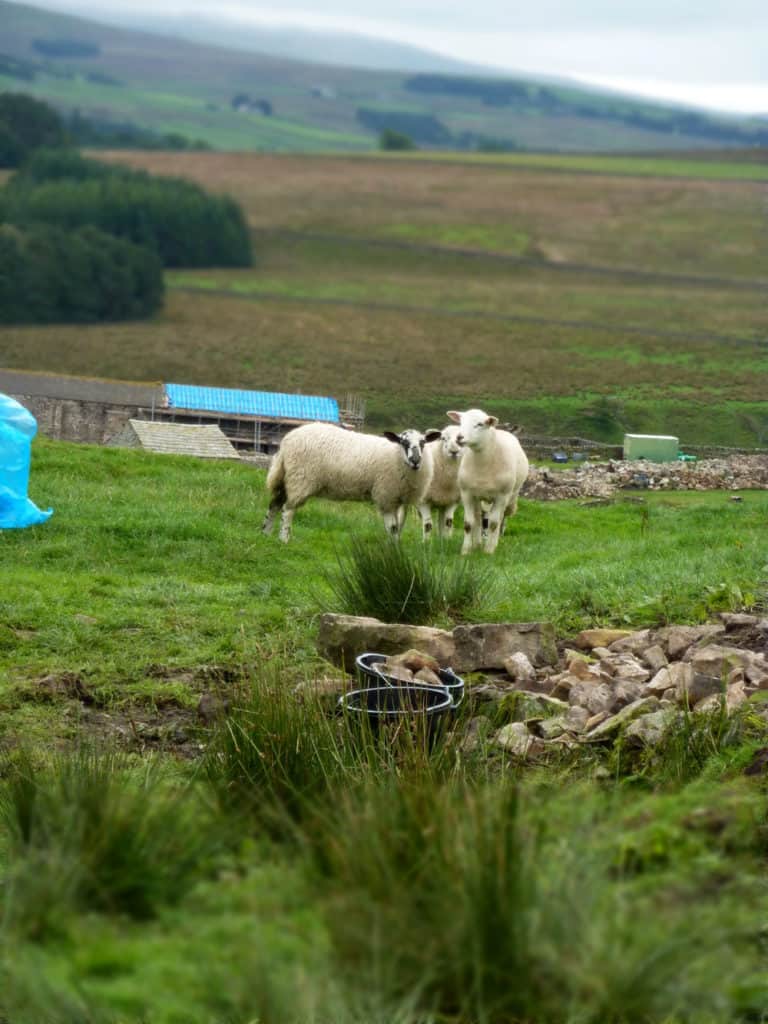
Sam made sure they didn’t get too close

More, much much more in the morning

It’s been a busy day.

Goodnight from Epiacum as we see what new secrets will be revealed tomorrow

DW and Sam

In this series:


Overview of the project:

Day 2 – The wall reveals more secrets Read More »

Day 1 – Operation Jericho: The wall starts to fall… new finds

The day started with an ominous sign. The Northumberland/Cumbrian hills were wearing clouds as the day started…

The clouds frame the valley

Rain was most definitely on the way. Before the volunteers and Archeology students started to break up the wall we had one or two final preparations – marking the features that were obvious so that the removal team could see them at a glance…

Last wall check and marking

as the clouds swirled overhead and the drizzle started…

The walls had been visually inspected and then again with a metal detector – the crosses mark metal readings. The markings relate to defined and specific positions on the wall. Each face has a letter and then divided into 5 meter sections so that finds can be precisely located and reconstructed. Each section of the wall weighs about 16 tons.

Plan

As the demolition team gets to work the rain starts in earnest

The rain from the crew tent!
Demolition starts as the rain falls

That penetrating rain that only the North of England can produce.

But the wall falls…

And the finds start..

Roman Fort Column Base
Quern Stone

1900’s bottle
Found in two pieces in the wall
Building detail
Quern stones

Thing
Plinth stone

And then came the last find of the day…

What is believed to be an Amphora neck shard…

We didn’t expect to make much progress today but a large portion of the wall fell and some brilliant finds were made.

I am now drying some of the teams boots (I live close by) over the stove…

Boots drying


whilst the kitchen does its stuff and feeds the workers

An amazing, if a tad damp, first day…

At the end of this day as the clouds (and the rain) head away over the hills a job well done…

Good night…

In this series:


Overview of the project:

Day 1 – Operation Jericho: The wall starts to fall… new finds Read More »

Roman Ship

Want to be part of the team but live too far away? How to be a virtual team member of Epiacum…

Would you love to be part of the Epiacum Heritage team but live too far away? 


Roman Ship


Fear not, here’s how you can help Epiacum Heritage and be involved at a very real level no matter where you live. Distance is no object to being part of our team.

Distance is no problem


We are building a virtual team who will be central to the projects and will be on the inside when it come to communications, information and involvement.


Become a virtual member of the Epiacum Volunteers Team

Be a vital member of the Epiacum Volunteers Team (Known as the 2nd Nervians – see here for the history https://epiacumheritage.org/get-involved/volunteering/the-second-nervians/)

Whilst we are building a team of awesome volunteers to be involved in the archaeology at Epiacum, we need virtual help too. We need people who can help us with:

  • Writing (blogs, articles, promotions, adverts)
  • Design (graphics, infographics, images etc.)
  • Finding potential sponsors and partners online
  • Getting information online for our activities
  • Fund raising
  • Communications and newsletters
  • and so much more


Be a virtual member of the 2nd Nervian!
Be a virtual member of the 2nd Nervian


As a virtual member of the 2nd Nervians you will have insider only access to the discussions, volunteer only information and access to reports, photographs and videos not available to the general public about the archaeology of this site and region.


Don’t wait – sign up today before all the volunteer places are taken

So what are you waiting for? The Roman’s didn’t let distance get in the way of their ambitions and you don’t need to either…

Volunteer today… Let me help

Want to be part of the team but live too far away? How to be a virtual team member of Epiacum… Read More »

Stewart Ainsworth enthusiastic landscape archaeologist

Bring The Past Alive: A Weekend Master Class With Time Team’s Stewart Ainsworth

Imagine spending an entire weekend with Time Team’s 

Stewart Ainsworth

Learning How to Decode the Landscape


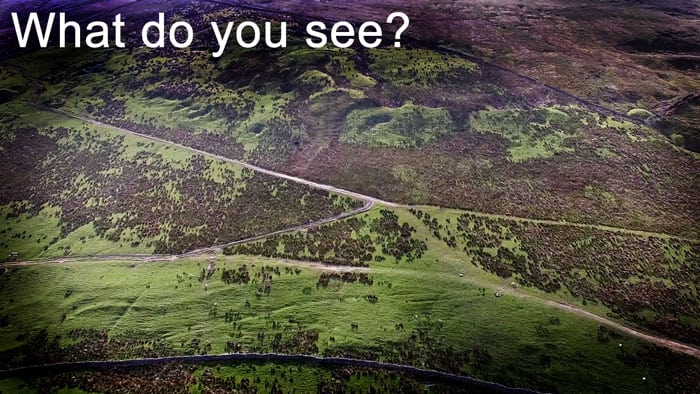
What do you see?

Look at the photograph above. Our previous students will be tell you that with ease they can see a Roman neighbourhood or settlement known as a Vicus, Roman, iron age and medieval roads and mines and buildings – all in the above photograph.

Stewart Ainsworth enthusiastic landscape archaeologist

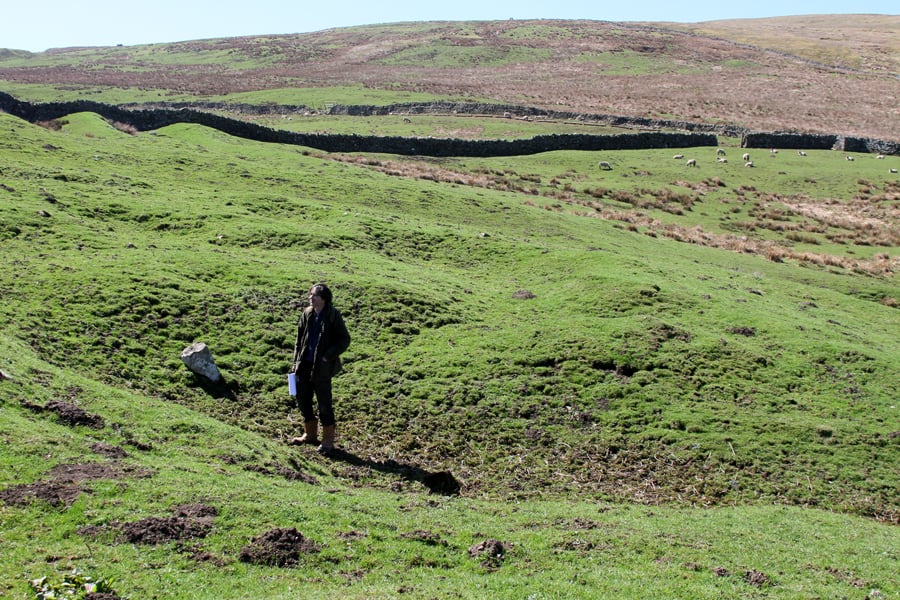
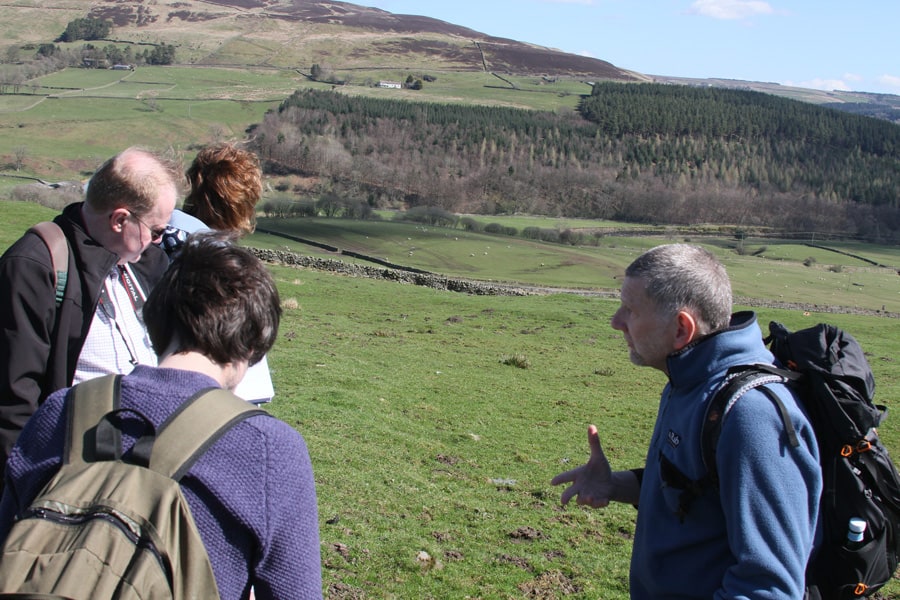
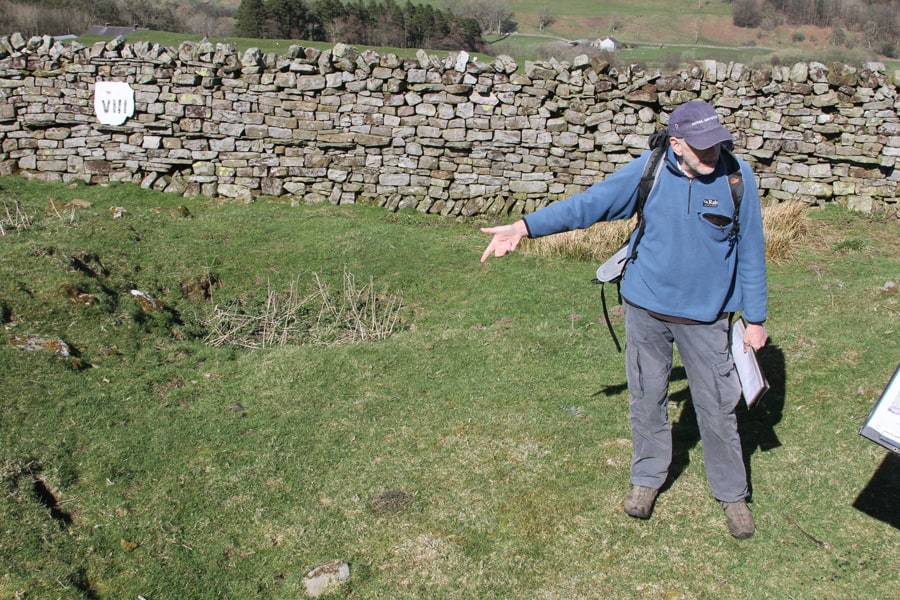
Stewart Ainsworth (ex Time Team) enthusing about the Epiacum historic Landscape

By the end of the weekend you, too, will be able to spot and interpret historical and archaeological features that you previously had no idea were there.

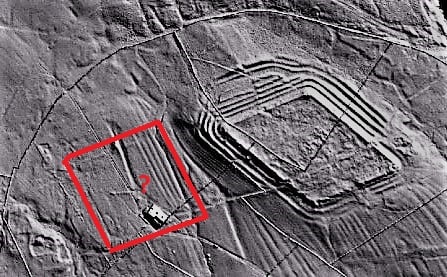
Evidence of a Roman Bath House

Evidence of a Roman Bath House – we even know when it was built – without excavating! The clues are in the landscape

Imagine going out and being able to spot hidden archaeological and historical features in the landscape with ease.

Fields, hills and the countryside will take on a completely different meaning for you, as you see historical and archaeological features and aspects others can’t see as you learn to interpret the landscape like an archaeologist

eastern ramparts

You will spend the entire weekend learning the tools, techniques and tricks of expert landscape archaeologists direct from Stewart and another professional archaeologist. 

Aerial view of Whitley Castle fort

Not only that, but you will do so in the stunning unspoilt vista of the North Pennines, in an area with more than 8,500 years of history and archaeology to practise on. You will learn to piece together the stories of everything from Bronze Age miners and travellers, Iron Age villagers, Roman legions, through medieval to Victorian farmers to the present day.

Every age and era has left its mark on the landscape, you just need to know what to look for…

You will be expertly guided to unravel its secrets by Time Team’s Stewart Ainsworth in a small class. Lessons that will transform your appreciation of any landscape.

No longer will fields be fields and bumps be bumps, as you learn how to interpret the landscape. Transform walks and drives in the country. Spot archaeological and historical features you never knew were there. 

Parade square

Parade square and medieval farming, buildings and evidence of iron age settlement and Mesolithic activity … if you know what you are looking for…

Only 4 places left

ACT NOW

Numbers
1 Place £227.00 GBP2 Places £454.00 GBP3 Places £681.00 GBP

Or 

contact usNOW before your place goes to someone else…

Bring The Past Alive: A Weekend Master Class With Time Team’s Stewart Ainsworth Read More »

Roman or Italian?

Epiacum Questions: Why were the Romans called ‘Romans’ and not ‘Italians’?

In a new series of posts we thought that we would answer questions about topics connected to Epiacum and the surrounding area. Whilst we are starting with a question about the Romans the whole site around Epiacum Fort contains a lot more history and archeology than just the period the Romans were in the area. In fact there have been finds of Mesolithic (Middle stone-age circa 8,000 – 4,000 BCE*) worked flint believed to be from around 6,000 BCE on the site. So the whole site has evidence of human habitation for more than the last 8,000 years! More of this in later posts.

Why were the Romans called ‘Romans’ and not ‘Italians’?

Italy

Italy didn’t actually become a unified country until 1861 when a collection of states and regions were brought together as the Kingdom of Italy. The process of unification took some time and was started in 1815.

Whilst the lower peninsula of what is now known as Italy was known is the Peninsula Italia as long ago as the first Romans (people from the City of Rome) as long about as 1,000 BCE the name only referred to the land mass not the people.

The Latins

Italic Tribes c 1000

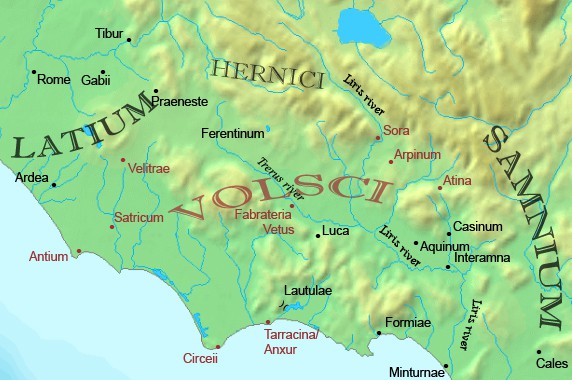
Peninsula Italia was populated by a number of what are known as Italic Tribes and one of these was known as the Latins from Latium, which is the area around the River Tiber where Rome was situated and where the Latin language gets its name from.

It is believed that the Latins migrated to this area during the late Bronze Age (about 1200 – 900 BCE) from further east. The Latins remained a distinct tribe or collection of families until around 753 BCE when Rome (known then as Roma) was founded and started to develop as a city.

Rome started to become powerful around 600BCE and was formed into a Republic in 509BCE. It was around this time (750’s – 600 BCE) that the Latins who lived in Rome became known as Romans.

As you can see the identity as an Italian (from Italy) was not to happen for another 2,614 years!

Rome like many other countries was originally a small kingdom from 753 BCE until 509 BCE when the Roman monarchy was overthrown and the last king of the Romans, the unpopular Lucius Tarquinius Superbus was exiled during a political revolution.

Why the Romans are called Romans

The point of all of this is that the mind-set or thinking of the day was not around the idea of countries and nations but rather tribal regions and home cities / towns and villages. Essentially the identification of an individual or family was based on their ‘home’ tribe. Even though the Romans controlled huge tracts of land and sea, their identity was based on their ‘home’ – the city of Rome.


* BCE means Before the Common Era which is the same time as BC – Before Christ


DW

Epiacum Questions: Why were the Romans called ‘Romans’ and not ‘Italians’? Read More »

Scroll to Top